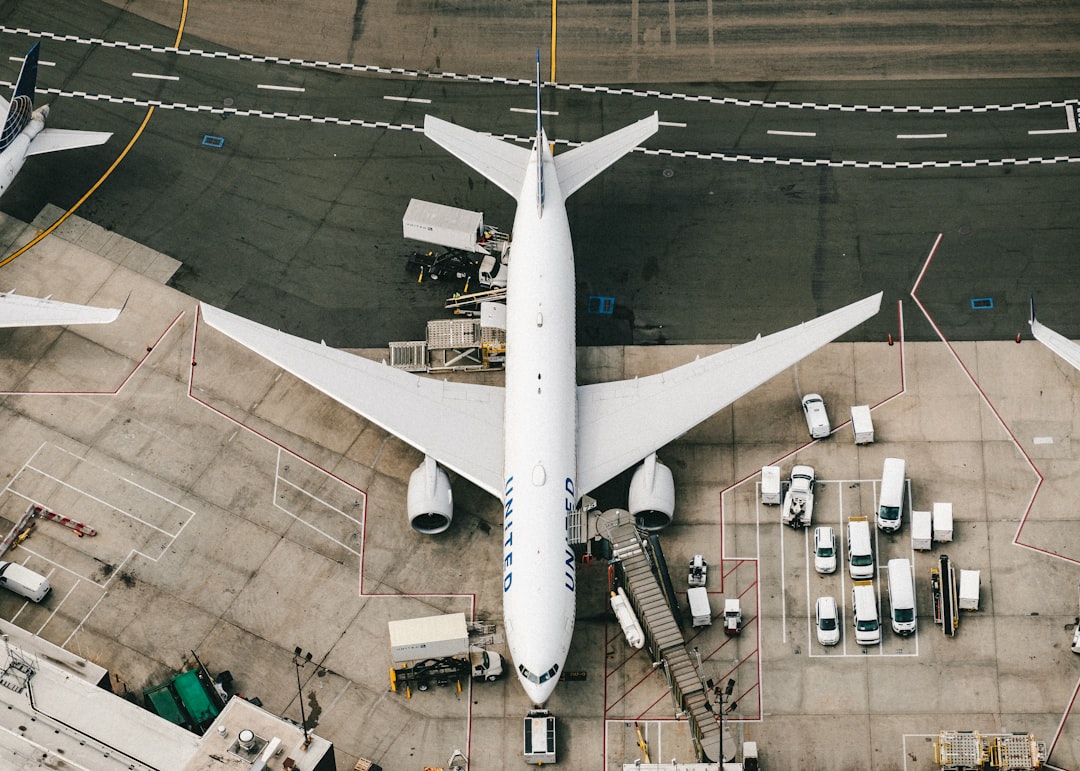
Maximize Your Travel: A Guide to Using Airline Miles
Learn strategies to earn, redeem, and optimize your airline miles for the best travel experiences.
How Do Airline Miles Work? A Practical Guide to Maximizing Your Rewards
If you ever wondered how to wield your airline miles like a pro, you’ve come to the right place. One of the biggest misconceptions is that you need tons of miles to take advantage of those fantastic redemptions or that it’s all too complicated. The reality is, mastering airline miles is about strategic thinking, knowing where to spend, and understanding how to stretch those points. Here’s a straightforward breakdown that will have you flying high in no time.
Understanding Airline Miles
Airline miles—or frequent flyer miles—are rewarded based on the distance you fly or the money you spend on airline tickets. Each airline has its own program, calculating miles differently. Typically, they fall into two categories: revenue-based and distance-based.
- Revenue-based programs, like Delta, award miles based on the ticket price. You might earn approximately 5 miles per dollar spent. If your ticket costs $300, that’s about 1,500 miles.
- Distance-based programs, like United or American Airlines, offer miles based on the actual distance flown. For example, a 2,500-mile flight could net you 2,500 miles just for flying.
You should also note that some airlines work with partners, allowing you to earn and redeem miles across their networks, providing even more opportunities for travel.
The Value of Airline Miles
The key to maximizing your miles is understanding their value. A general rule of thumb is that airline miles are worth about 1 to 2 cents per mile (CPM) when redeemed for flights. However, this can vary based on numerous factors—availability, the airline, and how you redeem them.
To put this into perspective, let’s say you’re eyeing a round-trip flight that costs $600. If it costs 30,000 miles, you’re getting 2 cents per mile back on your redemption (600 ÷ 30,000). Conversely, if you find the same flight for 15,000 miles, you’re getting a fantastic 4 cents per mile back.
Step-by-Step Strategy for Using Airline Miles
Now, let’s get into the nitty-gritty of a strategic approach to using your airline miles effectively:
-
Accumulate Miles Wisely: Focus on flying with airlines in the same alliance. For example, if you’re a frequent flyer on American Airlines, consider flying their partners like British Airways and Qantas to accumulate miles faster.
Airline Alliance Major Airlines Star Alliance United, Lufthansa, Air Canada Oneworld American Airlines, British Airways, Qatar Airways SkyTeam Delta, Air France, KLM -
Know the Redemption Options: Familiarize yourself with how many miles your airline requires for specific routes. These “award charts” can typically be found on their websites. For instance:
Route Miles Needed Approx. Cash Equivalent New York to London 60,000 miles $800 Los Angeles to Tokyo 70,000 miles $1,200 Delhi to Bangkok 30,000 miles $400 -
Flexible Travel Dates: If you can, use flexible travel dates, which can help you find the best miles redemption rates. Many airlines let you search for award availability across a range of dates.
-
Book Early or Last Minute: Award seats can disappear fast. If you know where you want to go, aim to book as early as possible. Conversely, last-minute travelers can sometimes find great deals on award seats as airlines try to fill empty spots.
-
Mix and Match Airlines: Don’t hesitate to use partner airlines for different legs of your trip. For example, you can book a flight from New York to London on American Airlines and then hop on British Airways to reach Edinburgh.
-
Use Miles for Other Travel Expenses: Some airlines allow you to redeem miles for things other than flights—like upgrades, car rentals, or hotels through their travel portals. For instance, using 25,000 miles for a hotel stay that costs $250 gives you a value of 1 cent per mile.
-
Keep an Eye Out for Promotions: Airlines often run promotions where you can redeem fewer miles for specific flights. Subscribing to airlines’ newsletters might save you significant amounts!
Tips for Airline Loyalty Programs
- Expiration Policies: Be aware of each airline’s expiration policy for miles. Some airlines have miles that never expire if you maintain activity in your account.
- Transfer Partners: Frequent flyers can often transfer hotel points into airline miles. For example, Marriott Bonvoy points transfer to various airlines at a generally applicable ratio, plus you may receive bonus miles for every certain amount of points transferred.
- Diversity in Miles: Having miles in one or multiple programs can lead to different redemption possibilities, ensuring you’re never stuck without options.
Comparisons of Major Airline Programs
| Airline | Revenue vs. Distance | Miles for Free One-Way Domestic Flight | Best for International |
|---|---|---|---|
| Delta Air Lines | Revenue | 10,000 - 12,500 miles | Mediterranean Routes |
| United Airlines | Distance | 10,000 miles | Asia Routes |
| American Airlines | Distance | 7,500 - 15,000 miles | Caribbean Routes |
| Southwest Airlines | Revenue | 6,000 - 12,000 points | Domestic Flights |
Wrap Up: Take Action Now
Whether you’re looking to book a bucket-list trip or plan a quick getaway, understanding airline miles is your ticket to travel without breaking the bank. With a solid strategy, you can have those miles working hard for you.
So right now, log into your airline loyalty accounts, check your current mileage balance, and start mapping out your next adventure. Think about where you’d love to go and how many miles you’ll need to make it happen. The skies are, quite literally, the limit.
Rates and availability verified as of October 2023. Subject to change — always confirm on the program’s official website.
Free Weekly Newsletter
Never Miss a Transfer Bonus or Sweet Spot Deal
Every week: the best transfer bonuses, flash award sales, and redemption sweet spots — delivered to your inbox. Free, always.
No spam. Unsubscribe anytime. We respect your privacy.
Join the discussion
Share your take, ask a question, or swap tips with other travelers. Be kind — we moderate.